
New Construction Home Inspection
A brand-new home is not a perfect home. Even with municipal inspections and builder walkthroughs, newly built homes regularly have defects that only an independent, trained eye can catch. Protect your investment before you sign the final papers.
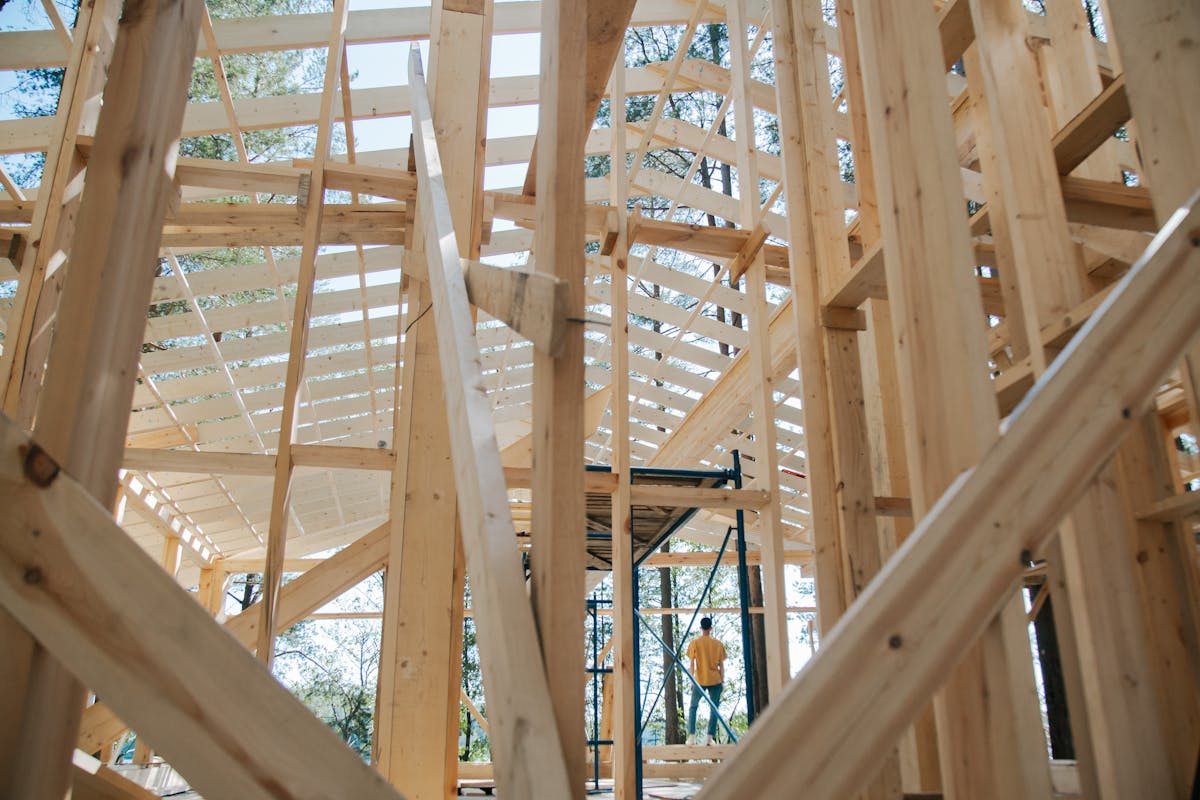
Why New Homes Still Need an Inspection
Many buyers assume that because a home is new, it must be built correctly. Unfortunately, that is not always the case. The construction industry faces labor shortages, tight deadlines, and high turnover among subcontractors. Municipal code inspectors are often overloaded, sometimes spending only minutes at a job site. They check for minimum code compliance -- not quality craftsmanship.
According to the National Association of Home Builders, a typical new home involves over 20 different subcontractors. Each one is responsible for their own piece of the project, and miscommunication between trades is one of the most common sources of defects. An independent home inspection before your final walkthrough gives you leverage to have issues corrected while the builder is still contractually obligated to fix them.
Once you close on the home, getting the builder to return for repairs becomes significantly harder. A pre-closing inspection is your last and best opportunity to hold the builder accountable.
Common Issues Found in New Builds
Improper Grading & Drainage
Soil graded toward the foundation instead of away from it, leading to water intrusion and potential structural damage over time.
HVAC Installation Errors
Disconnected ductwork, missing return air pathways, improperly sized equipment, and refrigerant line issues that affect comfort and efficiency.
Electrical Deficiencies
Missing GFCI protection in required locations, uncovered junction boxes, improperly wired outlets, and missing bonding or grounding connections.
Plumbing Problems
Slow drains, loose fittings, missing shut-off valves, water heater installation errors, and improper venting of drain lines.
Roofing & Flashing Gaps
Improperly installed flashing at walls, valleys, and penetrations. Missing kick-out diverters and unsealed nail pops in shingles.
Insulation & Air Sealing
Gaps in attic insulation, missing vapor barriers, unsealed penetrations, and insufficient coverage that increase energy costs from day one.
Builder's Inspector vs. Independent Inspector
Builder's Walkthrough
- Conducted by the builder or their employee
- Financial incentive to minimize reported issues
- Focuses on cosmetic items, not systems
- No formal report or documentation
Independent Inspection
- Works exclusively for you, the buyer
- No relationship with the builder -- zero conflicts of interest
- Inspects all major systems, not just cosmetics
- Detailed photo report you can share with the builder
The Builder Who Became an Inspector
Steven Northup spent 30 years in the construction industry before becoming a home inspector. He has built homes, managed framing crews, installed roofing, run plumbing and electrical, and supervised entire residential projects from slab to finish. That experience is exactly what sets his new construction inspections apart.
When Steven walks through a newly built home, he sees it through the eyes of someone who has done the work himself. He knows where subcontractors cut corners, where coordination between trades breaks down, and which details municipal inspectors routinely overlook. He speaks the language of builders, which means his findings carry weight when you present them to the construction team.
As an InterNACHI Trained inspector, Steven combines that deep construction knowledge with rigorous inspection standards and modern tools including FLIR thermal imaging to deliver a thorough, professional evaluation of your new home.
What's Included
Building a Multi-Phase Project?
If you are having a home built and want inspections at multiple stages - foundation, framing, pre-drywall, and final - Steven offers repeat inspection visits at a reduced rate. This gives you independent oversight throughout the construction process, not just at the end.
Call to discuss a custom inspection schedule for your new build.
Call (865) 816-4084Inspect Your New Home Before You Close
Schedule your new construction inspection with an inspector who has actually built homes for three decades.