
What to Expect During a Home Inspection in Knoxville
What to Expect During a Home Inspection in Knoxville
Buying a home is one of the biggest investments you will ever make. Whether you are looking at a charming bungalow in Fourth and Gill, a mid-century ranch in Farragut, or a newly built home in Hardin Valley, a professional home inspection is your best tool for understanding exactly what you are buying. If you have never been through the process before, it is natural to have questions. This guide walks you through every step of a home inspection in Knoxville so you can feel confident and prepared on inspection day.
Why a Home Inspection Matters
A home may look perfect on the surface. Fresh paint, updated fixtures, and manicured landscaping can make any property feel move-in ready. But beneath that surface, there could be aging electrical panels, moisture in the crawl space, or a roof that is nearing the end of its life. A home inspection is a thorough, objective evaluation of the property’s condition, performed by a trained professional who knows where to look and what to look for.
As an InterNACHI Trained home inspector with 30 year construction background, I have seen just about everything that East Tennessee homes can throw at you. That construction background means I do not just identify problems — I understand why they happen and what it takes to fix them.
Scheduling Your Inspection
Once your offer is accepted, your real estate agent will typically help you schedule the inspection during the due diligence period. In the Knoxville market, this window is usually 10 to 14 days, so it is important to book your inspection quickly.
When you call our office at (865) 816-4084 or use the online quote calculator, we will ask a few basic questions about the property: square footage, year built, whether it has a crawl space or basement, and whether you would like add-on services such as radon testing. This helps us estimate the time and cost so there are no surprises.
Most home inspections in the Knoxville area are scheduled for the morning. This gives us the best natural lighting and ensures we have plenty of time to be thorough without feeling rushed.
What Happens Before the Inspection
Before I arrive at the property, I review the listing information and any available disclosures. Knowing the age of the home, the type of foundation, and any recent renovations helps me focus my attention on the areas most likely to have issues.
I also recommend that buyers ask the seller to ensure all utilities are turned on at the time of inspection. We need running water, active electrical service, and a functioning HVAC system to perform a complete evaluation. If utilities are shut off, certain components simply cannot be tested.
The Day of the Inspection: What I Check
A typical home inspection in Knoxville takes between two and a half to four hours, depending on the size and condition of the property. I follow the InterNACHI Standards of Practice, which is one of the most comprehensive inspection protocols in the industry. Here is what that covers:
Exterior
The inspection begins outside. I walk the entire perimeter of the home evaluating:
- Roof condition — shingle wear, flashing around chimneys and vents, gutter alignment, and signs of storm damage. East Tennessee sees its share of severe weather, and roofs here take a beating.
- Siding and trim — cracks, rot, gaps, and signs of moisture damage.
- Grading and drainage — the ground should slope away from the foundation. Improper grading is one of the most common issues I find in Knox County homes.
- Driveways, walkways, and porches — settling, cracking, or separation from the main structure.
- Decks and patios — structural integrity, railing safety, ledger board attachment, and proper flashing.
Roof
When it is safe to do so, I access the roof to inspect it up close. I check for missing or damaged shingles, proper ventilation, the condition of flashing, and the state of any penetrations like plumbing vents or skylights. If roof access is not safe, I use a high-resolution camera or drone to get a detailed view.
Foundation and Structure
East Tennessee sits on a mix of clay soils and limestone bedrock, which can lead to foundation movement over time. I inspect the foundation for cracks, displacement, and signs of water intrusion. Inside the crawl space (extremely common in our area), I check floor joists, beams, piers, and the vapor barrier. I am looking for moisture damage, wood rot, pest activity, and structural concerns.
Electrical System
I open the main electrical panel and inspect the wiring, breakers, and connections. Older homes in areas like Old North Knoxville or Maryville may still have outdated panels — Federal Pacific and Zinsco panels are particular safety concerns that I see regularly. I test a representative number of outlets throughout the home for proper grounding and polarity, and I check GFCI protection in kitchens, bathrooms, garages, and exterior locations.
Plumbing
I run every faucet, flush every toilet, and check under every sink. I evaluate water pressure, drainage speed, water heater condition, and visible supply and drain lines. In older Knoxville homes, I frequently find galvanized steel pipes that are corroding from the inside, restricting water flow and heading toward failure.
HVAC System
I inspect the heating and cooling system, including the furnace or heat pump, air handler, ductwork, and thermostat. I run the system in both heating and cooling modes when weather permits. I also use thermal imaging to identify areas where conditioned air may be escaping — a common issue in East Tennessee homes where insulation gaps are prevalent.
Interior
Every room gets attention. I check windows and doors for proper operation, look for signs of water damage on ceilings and walls, inspect flooring for levelness and damage, and test built-in appliances. I look at the attic for insulation depth, ventilation, and any signs of past or present leaks.
Thermal Imaging
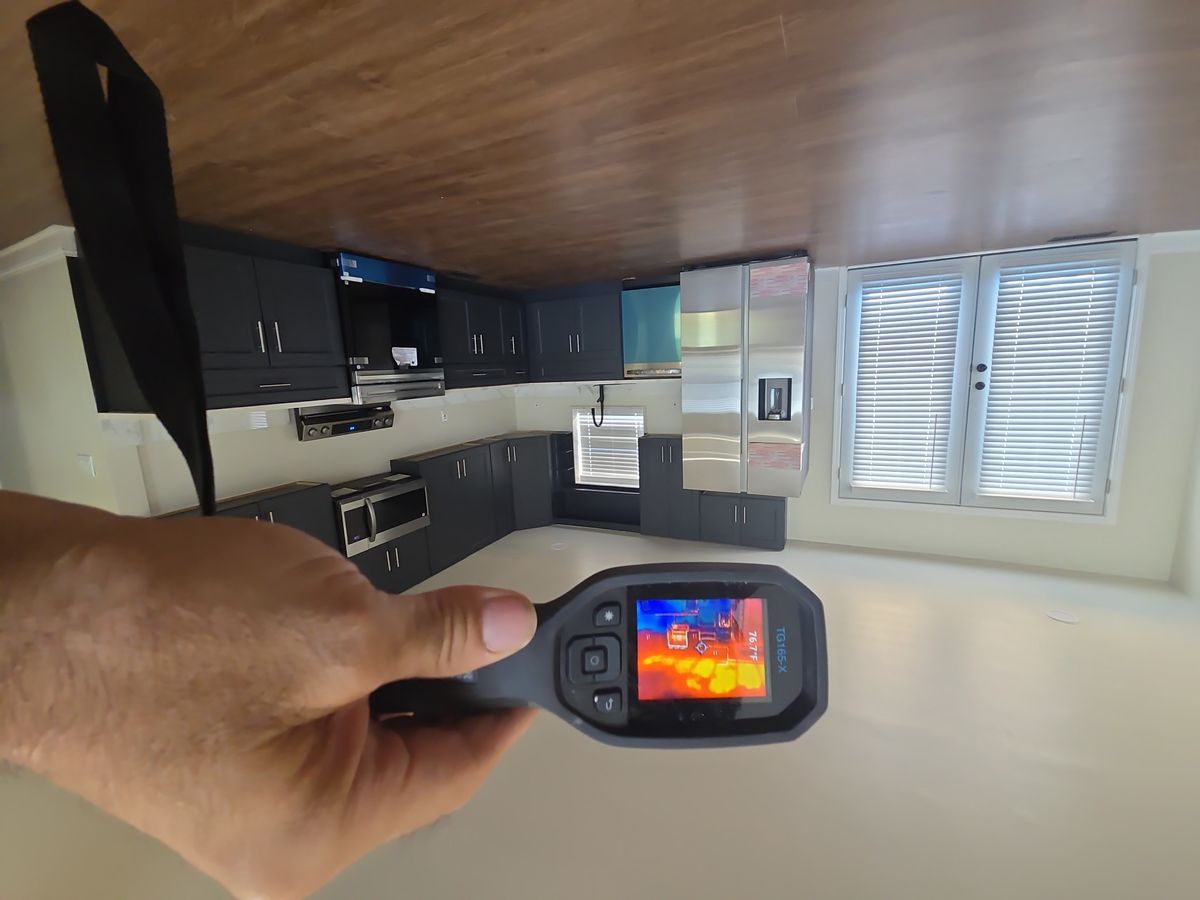
One tool that sets a thorough inspection apart is thermal imaging. My infrared camera reveals what the naked eye cannot see: moisture behind walls, missing insulation, overheating electrical connections, and HVAC leaks. This technology is included as part of every standard inspection I perform.
Should You Attend the Inspection?
Absolutely. I strongly encourage every buyer to attend the inspection. Walking through the home with me gives you the opportunity to see issues firsthand, ask questions, and learn about the home’s systems. I will show you where the main water shutoff is, how to change the HVAC filter, and other practical knowledge that will serve you as a homeowner.
Plan to be at the property for the full duration. Bring comfortable shoes and a notepad if you like. There is no such thing as a bad question during an inspection.
The Inspection Report
Within 24 hours of the inspection, you will receive a comprehensive digital report. This is not a simple pass/fail checklist. It is a detailed document with:
- High-resolution photographs of every finding, annotated so you know exactly what you are looking at.
- Clear descriptions written in plain English, not technical jargon.
- Priority ratings that help you distinguish between safety concerns, significant defects, and routine maintenance items.
- Summary page that highlights the most important findings at a glance, which is especially useful for negotiations.
The report is delivered digitally and can be shared easily with your real estate agent, a contractor, or anyone else on your team.
What the Inspection Does Not Cover
It is important to understand that a home inspection is a visual, non-invasive evaluation. I do not cut into walls, dig up foundations, or disassemble systems. There are a few things that fall outside a standard inspection:
- Mold testing (available as an add-on)
- Radon testing (available as an add-on — and highly recommended in East Tennessee)
- Sewer line scoping
- Well and septic evaluation (important for properties outside city limits in areas like Lenoir City or rural Loudon County)
- Termite/pest inspection (typically handled by a licensed pest control company)
I always let my clients know when I see something that warrants further evaluation by a specialist.
After the Inspection
Once you have your report, you and your real estate agent can use it to make informed decisions. Common next steps include:
- Requesting repairs from the seller for significant safety or structural issues.
- Negotiating a price reduction based on the cost of needed repairs.
- Requesting a home warranty to cover aging systems.
- Walking away if the inspection reveals deal-breaking problems that the seller will not address.
The inspection report gives you the facts you need. It puts you in control of one of the biggest financial decisions of your life.
What Makes Our Inspections Different
With 30 year hands-on construction background, I bring a depth of knowledge that goes beyond checking boxes on a form. When I see a crack in a foundation wall, I can tell you whether it is cosmetic settling or a structural concern. When I find a plumbing issue, I can explain what the repair involves and what it typically costs. That construction background means you get more than an inspection — you get an education about your home.
I am InterNACHI Trained, which means I adhere to the highest standards in the industry for both inspection thoroughness and continuing education. Every inspection includes thermal imaging at no additional cost, and my reports are among the most detailed you will find from any home inspector in East Tennessee.
Ready to Schedule Your Inspection?
If you are buying a home in Knoxville, Maryville, Lenoir City, Oak Ridge, Farragut, or anywhere in the surrounding East Tennessee counties, I am here to help you make a confident, informed decision. Use our online quote calculator to get an instant estimate, or call me directly at (865) 816-4084 to schedule your inspection. I look forward to working with you.
Ready to Schedule Your Inspection?
Get an instant quote and book online, or call Steven directly.