
Top 10 Problems Found in Knox County Homes
Top 10 Problems Found in Knox County Homes
After 30 years in the construction industry and thousands of home inspections across East Tennessee, I have developed a clear picture of the issues that show up again and again in Knox County homes. Every property is different, but certain problems are so common in our region that buyers and homeowners should know what to look for.
Whether you are purchasing your first home in South Knoxville, upgrading to a larger property in Farragut, or maintaining a home you have lived in for decades, understanding these common issues can save you thousands of dollars and help you make smarter decisions. Here are the top 10 problems I find during home inspections in Knox County.
1. Foundation Settling and Cracking
Knox County sits on a mix of clay-heavy soils and limestone bedrock, and this geology directly impacts foundations. Clay soil expands when wet and contracts when dry, creating a cycle of movement that puts constant stress on foundations over time.
The most common signs I see include stair-step cracking in brick veneer, horizontal cracks in block foundations, and separation between the foundation and the framing above. Not every crack is a structural emergency — hairline cracks from normal curing are expected. But when I see cracks wider than a quarter inch, horizontal displacement, or evidence of ongoing movement, that warrants evaluation by a structural engineer.
From my construction experience, I know that many foundation issues stem from poor original site preparation or changes in drainage patterns over time. The good news is that most foundation repairs in our area are manageable when caught early.
2. Moisture Intrusion and Water Management
If I had to name the single most pervasive issue in Knox County homes, it would be moisture. East Tennessee receives roughly 47 inches of rainfall annually, and that water has to go somewhere. When it goes toward — or into — your home, problems follow.
I regularly find evidence of water intrusion in basements, crawl spaces, and around windows and doors. The root cause is almost always related to exterior water management: improper grading that slopes toward the foundation, clogged or missing gutters, downspouts that discharge too close to the house, or insufficient drainage around the property.
Water stains on basement walls, efflorescence on masonry, musty odors, and standing water in crawl spaces are all red flags I look for during every inspection. Addressing moisture problems early prevents far more expensive issues down the road, including mold growth, wood rot, and structural damage.
3. HVAC System Issues
Heating and cooling systems work hard in East Tennessee. Our summers are hot and humid, our winters are cold enough to demand reliable heating, and the shoulder seasons can swing wildly from one extreme to the other. That workload takes a toll.
Common HVAC issues I find in Knox County homes include:
- Aging equipment past its expected service life (15 to 20 years for most systems)
- Dirty or clogged filters restricting airflow and reducing efficiency
- Refrigerant leaks in older air conditioning systems
- Improperly sized systems — especially in homes that have been renovated or expanded without upgrading the HVAC
- Disconnected or damaged ductwork in crawl spaces and attics, sometimes from pest activity
- Condensation and drainage issues at the air handler
Using thermal imaging, I can identify areas where ductwork is leaking conditioned air into unconditioned spaces. In many homes, this represents a significant energy loss that homeowners are paying for every month without realizing it.
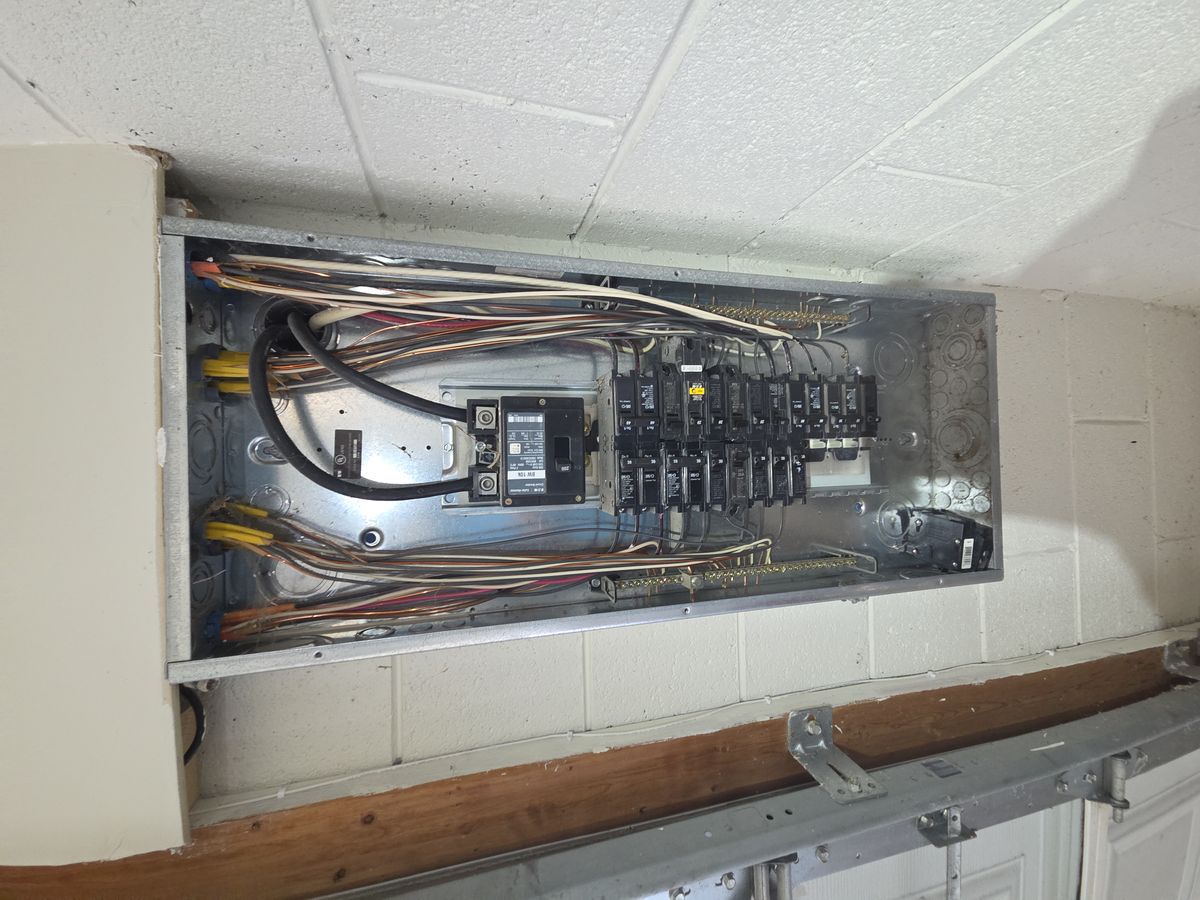
4. Outdated or Unsafe Electrical Panels
Electrical safety is always a top priority during my inspections, and Knox County’s housing stock includes plenty of older homes with electrical systems that need attention. Two panel brands are particular concerns:
Federal Pacific Electric (FPE) Stab-Lok Panels
These panels were widely installed from the 1950s through the 1980s. Testing has shown that these breakers can fail to trip during an overload or short circuit, creating a serious fire hazard. If your home has a Federal Pacific panel, replacement is strongly recommended.
Zinsco Panels
Zinsco panels (also sold under the Sylvania brand) have a similar history of breaker failure. The bus bars in these panels can overheat, and the breakers may fuse to the bus bar, preventing them from tripping when they should.
Beyond these specific brands, I commonly find double-tapped breakers (two wires on a single breaker not rated for it), missing knockouts, improper grounding, aluminum wiring connections that need attention, and panels that have simply been outgrown by the home’s electrical demands. Homes built in the 1960s and 1970s, prevalent throughout West Knoxville and the Bearden area, are frequent candidates for electrical panel upgrades.
5. Roof Wear and Storm Damage
East Tennessee weather is not gentle on roofs. Between heavy rainstorms, occasional hail, high winds, and temperature swings, roofing materials face significant stress throughout the year. The average asphalt shingle roof in our area has a practical lifespan of 20 to 25 years, though actual performance varies with installation quality and exposure.
During roof inspections, I look for curling, cracking, or missing shingles, deteriorated flashing around chimneys and valleys, improperly sealed penetrations, and signs of granule loss. I also check for proper attic ventilation, because a poorly ventilated roof assembly ages faster and can lead to ice damming in winter — less common here than up north, but it does happen during our occasional hard freezes.
Many homeowners are unaware of storm damage until a leak develops. Even minor hail damage can compromise a roof’s water-shedding ability over time. If you are buying a home and the roof is more than 15 years old, pay close attention to the inspection findings and budget for potential replacement.
6. Crawl Space Problems
Crawl space foundations are extremely common throughout Knox County and East Tennessee. While they have advantages — easier access to plumbing and electrical systems, for example — they are also magnets for moisture problems in our humid climate.
The issues I find most often include:
- Missing or damaged vapor barriers allowing ground moisture to evaporate into the crawl space
- Standing water from poor exterior drainage or high water tables
- Wood rot and fungal growth on floor joists and subfloor sheathing
- Sagging or improperly supported floor joists leading to uneven floors upstairs
- Pest activity — termites, carpenter ants, and rodents all find crawl spaces inviting
- Fallen or missing insulation that was originally installed between floor joists
- Inadequate ventilation or, in some cases, improperly sealed encapsulated crawl spaces
Crawl space issues can be among the most expensive to remediate if left unchecked. I dedicate significant time to crawl space evaluation during every inspection because what happens down there directly affects the health, safety, and comfort of the living space above.
7. Grading and Drainage Deficiencies
This issue is so prevalent in Knox County that it deserves its own entry beyond the general moisture discussion. Proper grading means the soil around your home slopes away from the foundation at a rate of at least six inches of drop over the first ten feet. In practice, many homes I inspect fail this basic requirement.
Common grading and drainage problems include:
- Flat or negative grading where soil has settled over time, directing water toward the foundation
- Mulch and landscaping piled against siding, trapping moisture and inviting pest entry
- Downspouts discharging at the foundation instead of extending at least four to six feet away
- Missing or inadequate gutter systems
- Driveway or patio surfaces that slope toward the home
These issues are often the simplest and least expensive to correct, yet they are responsible for a significant percentage of the moisture and foundation problems I document. Before spending thousands on interior waterproofing, many homeowners would benefit from first addressing their exterior grading and drainage.
8. Galvanized Steel Plumbing
Homes built before the mid-1970s in Knox County were commonly plumbed with galvanized steel supply lines. When new, these pipes worked fine. But over decades, they corrode from the inside out, gradually narrowing the interior diameter and restricting water flow.
Signs of failing galvanized plumbing include low water pressure (especially at fixtures farthest from the main line), rust-colored water when taps are first turned on, and visible corrosion at joints and fittings. In advanced stages, galvanized pipes can develop pinhole leaks that cause hidden water damage.
If you are buying an older home in areas like North Knoxville, Island Home, or the older neighborhoods of Maryville, plumbing material is something I pay close attention to. Replacing galvanized supply lines with modern copper or PEX is a significant but worthwhile investment that eliminates an ongoing maintenance headache.
9. Insulation Gaps and Energy Loss
Energy efficiency might not seem as urgent as a roof leak or a cracked foundation, but insulation deficiencies cost Knox County homeowners real money every single month. Using thermal imaging during inspections, I routinely find:
- Missing or thin attic insulation — many older homes have only a few inches of insulation where current standards call for 10 to 14 inches (R-38 to R-49)
- Gaps around attic access hatches and recessed light fixtures
- Missing insulation behind knee walls in rooms with bonus spaces or vaulted ceilings
- Uninsulated band joists where the floor system meets the foundation
- Improperly insulated crawl spaces
Thermal imaging makes these issues immediately visible. When I point the camera at an exterior wall and see dramatic temperature differences, that tells us exactly where conditioned air is escaping and outside air is entering. Addressing insulation gaps is one of the highest-return improvements a homeowner can make, often paying for itself in reduced energy bills within a few years.
10. Deck Safety Concerns
Decks are enormously popular in Knox County. Our mild climate and beautiful surroundings make outdoor living spaces a staple of Tennessee homes. Unfortunately, deck construction quality varies widely, and older decks often fail to meet current safety standards.
The most common deck issues I find include:
- Improper ledger board attachment — the connection between the deck and the house is the most critical structural detail. Missing flashing, inadequate fasteners, or attaching to siding rather than the rim joist are all serious concerns.
- Deteriorated wood from moisture exposure, especially at ground contact points and where water sits on horizontal surfaces.
- Loose or missing railings and balusters that do not meet the 4-inch sphere rule (a 4-inch sphere should not be able to pass through any opening in the railing).
- Inadequate footings that have shifted or settled.
- Stair deficiencies including inconsistent riser heights, missing handrails, and open risers that pose a trip hazard.
Deck collapses are a real and well-documented safety hazard. With my construction background, I evaluate decks not just for obvious damage but for the structural details that determine whether a deck is truly safe for use.
Knowledge Is Your Best Protection
These ten issues account for the vast majority of significant findings in Knox County home inspections. Understanding what to look for — and having a qualified inspector who knows the specific challenges of East Tennessee construction — is the best way to protect your investment and your family.
With 30 year construction background and InterNACHI certification, I bring a level of insight to every inspection that goes beyond surface-level checklists. I do not just identify problems — I explain what caused them, how serious they are, and what it takes to fix them.
Schedule Your Knox County Home Inspection
Whether you are buying, selling, or simply want to understand the condition of your current home, a professional inspection is the smartest investment you can make. Use our online quote calculator for an instant estimate, or call me at (865) 816-4084 to schedule your inspection. I serve Knox County and all of East Tennessee, and I look forward to helping you make confident, informed decisions about your home.
Ready to Schedule Your Inspection?
Get an instant quote and book online, or call Steven directly.