
Older Homes in Knoxville: What 30 Years of Construction Experience Reveals
Older Homes in Knoxville: What 30 Years of Construction Experience Reveals
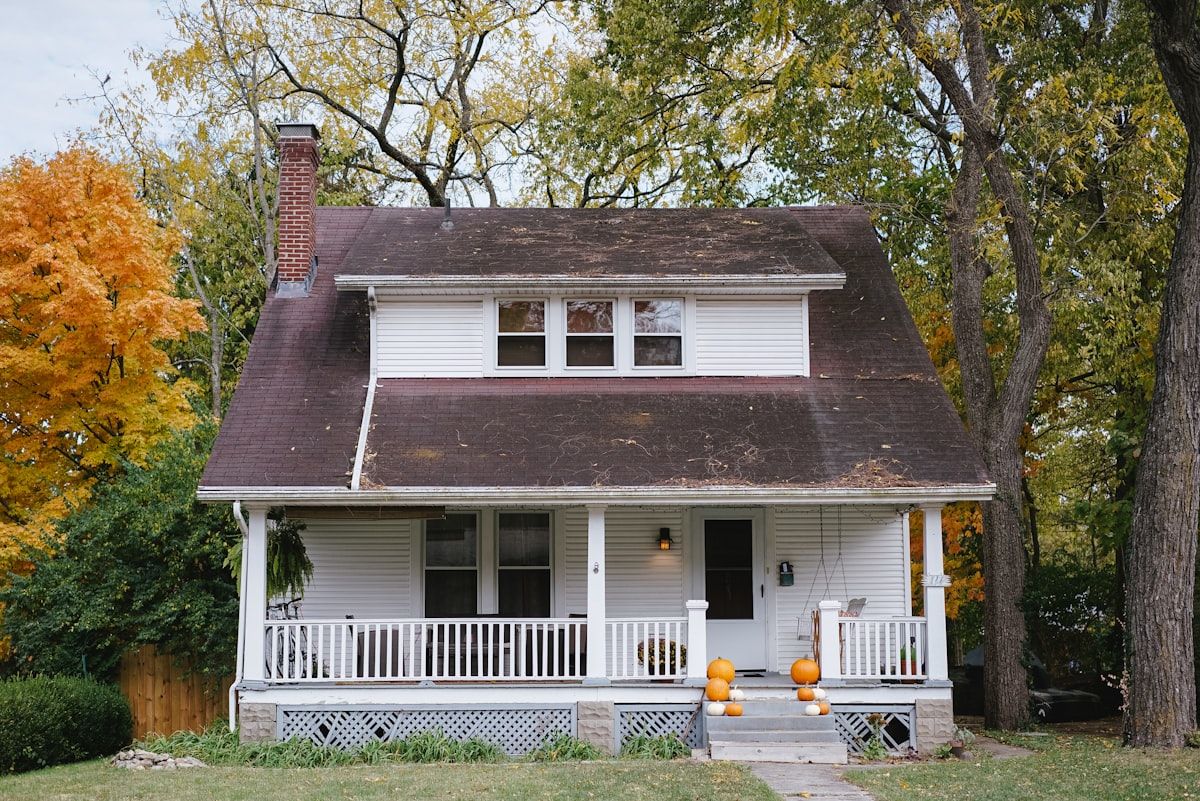
Knoxville has a rich architectural heritage. From the Victorian homes in Old North Knoxville to the Craftsman bungalows in Fourth and Gill, the mid-century ranches in West Hills, and the classic farmhouses scattered throughout Loudon and Blount counties, older homes define much of East Tennessee’s residential character. They offer charm, craftsmanship, established neighborhoods, and mature landscaping that new construction simply cannot replicate.
They also present unique challenges that every buyer should understand.
Having spent 30 years in the construction industry before becoming a home inspector, I have worked on homes spanning every era of East Tennessee construction. I have rewired houses that still had knob-and-tube wiring, replaced plumbing systems that predated PVC, repaired foundations that were laid before modern building codes existed, and remediated materials that we now know are hazardous. That hands-on experience informs every older home inspection I perform and gives me a perspective that goes well beyond checking boxes on a form.
Here is what my years of experience have taught me about older homes in the Knoxville area.
Knob-and-Tube Wiring
Homes built before the 1940s in Knoxville may still contain knob-and-tube (K&T) electrical wiring, either as the primary system or, more commonly, as remnants in portions of the home that were never fully rewired. This wiring method uses ceramic knobs and tubes to route individual conductors through the home’s framing.
Why It Matters
Knob-and-tube wiring was adequate for the electrical demands of its era, but it is fundamentally incompatible with modern usage. It was designed for a time when homes had a handful of light fixtures and maybe a radio. Today’s electrical loads — kitchen appliances, computers, entertainment systems, HVAC equipment — far exceed what these systems were built to handle.
The specific concerns include:
- No ground wire. K&T systems have only hot and neutral conductors. There is no equipment grounding conductor, which means no protection for sensitive electronics and reduced safety in the event of a fault.
- Insulation contact. K&T wiring was designed to dissipate heat through open air. When insulation is installed over or around K&T conductors — which often happens during renovations — the wiring can overheat, creating a fire risk.
- Deteriorated insulation. The rubber insulation on K&T wiring becomes brittle and cracks with age, exposing bare conductors.
- Improper modifications. Over decades, homeowners and unqualified electricians often splice into K&T circuits using improper methods, creating unsafe connections hidden inside walls and attics.
What I Look For
During inspections of older homes in neighborhoods like Sequoyah Hills, Island Home, and North Knoxville, I check the attic, basement, and crawl space for visible K&T wiring. I note whether it appears active and whether it has been improperly buried under insulation. Most insurance companies require K&T wiring to be evaluated and often require replacement as a condition of coverage.
Lead Paint
Any home built before 1978 may contain lead-based paint. Lead paint was officially banned for residential use that year, but it was the standard for decades prior. In Knoxville, a significant portion of the housing stock predates 1978, particularly in established neighborhoods like Bearden, Fountain City, and Powell.
Why It Matters
Lead paint that is intact and in good condition is generally not an immediate hazard. The risk increases when the paint deteriorates — peeling, chipping, chalking, or cracking — because that creates lead dust and paint chips that can be ingested or inhaled. Children are especially vulnerable; lead exposure can cause developmental delays, learning difficulties, and behavioral problems. Adults face risks including high blood pressure, kidney damage, and reproductive issues.
What I Look For
A standard home inspection is not a lead paint test. However, I note the age of the home and the condition of painted surfaces throughout the property. When I observe deteriorating paint in a pre-1978 home, I recommend lead testing, particularly if young children will be living there. I pay special attention to:
- Window sills and frames — friction from opening and closing windows grinds paint into dust
- Doors and door frames — same friction issue
- Exterior surfaces — weather causes faster deterioration
- Porches, railings, and fences — commonly painted with lead-based products
If you are purchasing a pre-1978 home, federal law requires the seller to provide a lead paint disclosure and allow a 10-day period for lead testing before the sale is finalized.
Asbestos-Containing Materials
Asbestos was widely used in building materials from the early 1900s through the late 1970s. In older East Tennessee homes, it can be found in numerous locations:
- Pipe insulation — white or gray cloth-like wrapping around hot water and heating pipes, especially in basements and crawl spaces
- Floor tiles — 9x9-inch vinyl floor tiles (and their adhesive) were commonly manufactured with asbestos
- Vermiculite insulation — loose-fill attic insulation that looks like small, gray-brown granules. Not all vermiculite contains asbestos, but a significant percentage was sourced from a contaminated mine in Libera, Montana
- Duct insulation and tape — HVAC ductwork in older homes may have asbestos insulation or asbestos-containing tape at joints
- Siding and roofing — cement-asbestos siding (often called “transite”) and certain roofing materials
- Textured coatings and joint compound — popcorn ceilings applied before 1980 and some joint compounds used through the mid-1970s
Why It Matters
Asbestos fibers become dangerous when they are disturbed and become airborne — a process called “friable.” Inhaling asbestos fibers over time can cause mesothelioma, lung cancer, and asbestosis. Intact, undisturbed asbestos materials in good condition are generally not an immediate health risk. The danger arises during renovation, demolition, or when materials deteriorate.
What I Look For
I identify materials that are commonly associated with asbestos based on their appearance, location, and the age of the home. I cannot confirm the presence of asbestos visually — laboratory testing of samples is required for definitive identification. When I suspect asbestos-containing materials, I note them in the report and recommend testing before any work is done that would disturb those materials.
This is particularly important for buyers who plan to renovate an older home. A renovation project in a 1950s Knoxville bungalow that disturbs asbestos floor tiles, pipe insulation, or textured ceilings requires professional abatement, which adds significant cost and time to the project. Knowing this before you buy helps you budget accurately.
Galvanized Steel Plumbing
Galvanized steel was the standard water supply pipe material for homes built before the mid-1960s, and it continued to be used in some areas through the mid-1970s. In the Knoxville area, I encounter galvanized plumbing frequently in homes built during the post-war housing boom in neighborhoods like Fountain City, South Knoxville, and the older sections of Oak Ridge.
Why It Matters
Galvanized pipes have a functional lifespan of roughly 40 to 70 years, depending on water chemistry and conditions. As they age, they corrode from the inside out. Mineral deposits build up on the interior walls of the pipes, gradually restricting water flow. Eventually, the corrosion can create pinhole leaks.
What I Look For
I evaluate galvanized plumbing by:
- Visual inspection — checking exposed pipes in the crawl space, basement, and at the water heater for external corrosion, particularly at joints and fittings where corrosion is most advanced
- Water pressure testing — running multiple fixtures simultaneously to assess flow restriction
- Water color — rust-colored water when fixtures are first turned on can indicate internal corrosion
- Age assessment — correlating the plumbing material with the home’s construction date to estimate remaining useful life
If a home has galvanized supply lines, I discuss the implications with the buyer. Partial or complete re-piping with copper or PEX is a significant project — typically $4,000 to $10,000 depending on the home’s size and accessibility — but it eliminates an ongoing concern and adds value to the property.
Foundation Types and Concerns
Older homes in East Tennessee feature several foundation types, each with its own characteristics and common issues:
Stone Foundations
Stone foundations are found in the oldest homes in the region, often dating to the late 1800s and early 1900s. These foundations were typically built with locally quarried limestone and mortar. Over time, the mortar deteriorates and the stones can shift. I see stone foundations in rural properties throughout Loudon, Roane, and Blount counties, as well as in Knoxville’s oldest neighborhoods.
Poured Concrete and Concrete Block
Poured concrete and concrete block became standard for residential construction from the 1940s onward. These foundations are generally more uniform and predictable, but they are still subject to cracking from soil movement, water pressure, and settling. In East Tennessee’s clay soils, I pay close attention to horizontal cracking in block foundations, which can indicate lateral pressure from expanding soil.
Pier and Beam
Pier and beam construction, where the home rests on concrete or stone piers with wooden beams spanning between them, is common in older homes and many rural properties. The wood-to-ground proximity makes these systems vulnerable to moisture damage and pest activity.
What I Look For
Foundation assessment is where my construction background is most valuable. I evaluate not just the visible condition but the overall behavior of the foundation system. Is the house level? Do doors and windows operate properly? Are there patterns of cracking that suggest active movement? Is there evidence that previous repairs have been made, and were they done properly?
Understanding foundation types and their failure modes from 30 years of construction work means I can distinguish between cosmetic cracking (common and not concerning) and structural displacement (uncommon but serious) with a trained eye.
Cast Iron Drain Lines
Homes built before the 1970s in Knoxville typically have cast iron drain, waste, and vent (DWV) piping. Cast iron was an excellent material in its era — durable, quiet, and fire-resistant. But it does not last forever.
Why It Matters
Cast iron drain lines have an expected lifespan of about 50 to 75 years. As they age, they corrode from the inside, develop scale buildup that restricts flow, and can eventually crack or separate at joints. The most common failure point is horizontal runs under the crawl space or beneath the slab, where moisture and soil contact accelerate deterioration.
What I Look For
I visually inspect all accessible cast iron piping for external corrosion, rust staining, evidence of past repairs, and signs of active leaks. I also check drain flow rates and listen for unusual sounds that might indicate partial blockages. In some cases, I recommend a sewer line camera inspection to evaluate the interior condition of drain lines that are not visually accessible. This is particularly important for cast iron pipes that are 50 or more years old.
Replacing cast iron drain lines is a substantial plumbing project. For a buyer considering an older home with original cast iron, understanding the plumbing’s condition and expected remaining life is critical information for budgeting and decision-making.
Original Windows
Older homes in Knoxville often retain their original windows — single-pane, wood-framed units that may be 50, 70, or even 100 years old. These windows are a complex topic because they represent a tension between preservation and performance.
The Preservation Argument
Original wood windows, when properly maintained, can last indefinitely. The old-growth wood used in windows from the early and mid-twentieth century is often denser and more rot-resistant than modern lumber. Historic preservationists argue that properly restored original windows can perform comparably to replacement windows while maintaining the home’s architectural integrity.
The Performance Reality
In my inspections, I frequently find original windows with broken sash cords, failed glazing compound, deteriorated weatherstripping (or none at all), cracked glass, and paint that has sealed them shut. Functionally, many original windows in older East Tennessee homes are significant sources of energy loss and air infiltration.
What I Look For
I evaluate each window for:
- Operation — can it be opened and closed?
- Condition of the glass, glazing, and frame
- Evidence of rot, especially at the sill
- Presence and condition of weatherstripping
- Evidence of moisture damage around the interior casing
I also use thermal imaging to show heat loss through and around windows. This gives buyers a visual representation of the energy impact and helps inform the decision about whether to restore or replace.
The Value of Construction Experience
Every issue I have described in this article benefits from a construction-informed perspective. When I inspect an older home, I am not just identifying what is there — I am drawing on 30 years of experience building, repairing, and renovating homes to tell you what it means, what it would take to fix, and how to prioritize.
That foundation crack? I have repaired hundreds of them and can tell you whether it is structural or cosmetic. That electrical panel? I have replaced them and know what the project involves. That crawl space? I have framed floors, installed plumbing, and remediated moisture damage, so I understand the full picture.
This depth of knowledge is what sets an experienced inspector apart. It means your inspection report is not just a list of findings — it is an informed evaluation by someone who has done the work.
Thinking About Buying an Older Home?
Older homes in Knoxville and East Tennessee offer character, location, and value that are hard to find in new construction. They also require a thorough, knowledgeable inspection to understand what you are taking on. With the right information, you can buy confidently, budget realistically, and enjoy the unique qualities that make older homes so appealing.
If you are considering an older home in Knoxville, Maryville, Lenoir City, Oak Ridge, or anywhere in the surrounding counties, I would welcome the opportunity to inspect it for you. Use our online quote calculator for an instant estimate, or call me directly at (865) 816-4084. I serve Knox, Loudon, Blount, Anderson, Roane, Monroe, McMinn, and Hamblen counties with thorough inspections grounded in three decades of construction expertise.
Ready to Schedule Your Inspection?
Get an instant quote and book online, or call Steven directly.