
Fall Home Maintenance Checklist for East Tennessee Homeowners
Fall Home Maintenance Checklist for East Tennessee Homeowners
Fall in East Tennessee is beautiful. The Great Smoky Mountains light up with color, the air cools to something comfortable after a long, humid summer, and Friday nights are filled with high school and college football. But while you are enjoying the season, your home needs some attention. The work you do this fall directly affects how your home performs through winter — and how much you spend on energy bills and emergency repairs in the colder months.
As a home inspector with 30 year construction background serving Knoxville and the surrounding counties, I see the consequences of deferred fall maintenance every day during my inspections. Water damage from clogged gutters, cracked pipes from inadequate insulation, HVAC failures from systems that were never serviced — these are expensive problems that are almost entirely preventable.
This checklist covers the essential fall maintenance tasks for East Tennessee homes. Work through it systematically, and you will head into winter with confidence that your home is ready.
Gutters and Downspouts
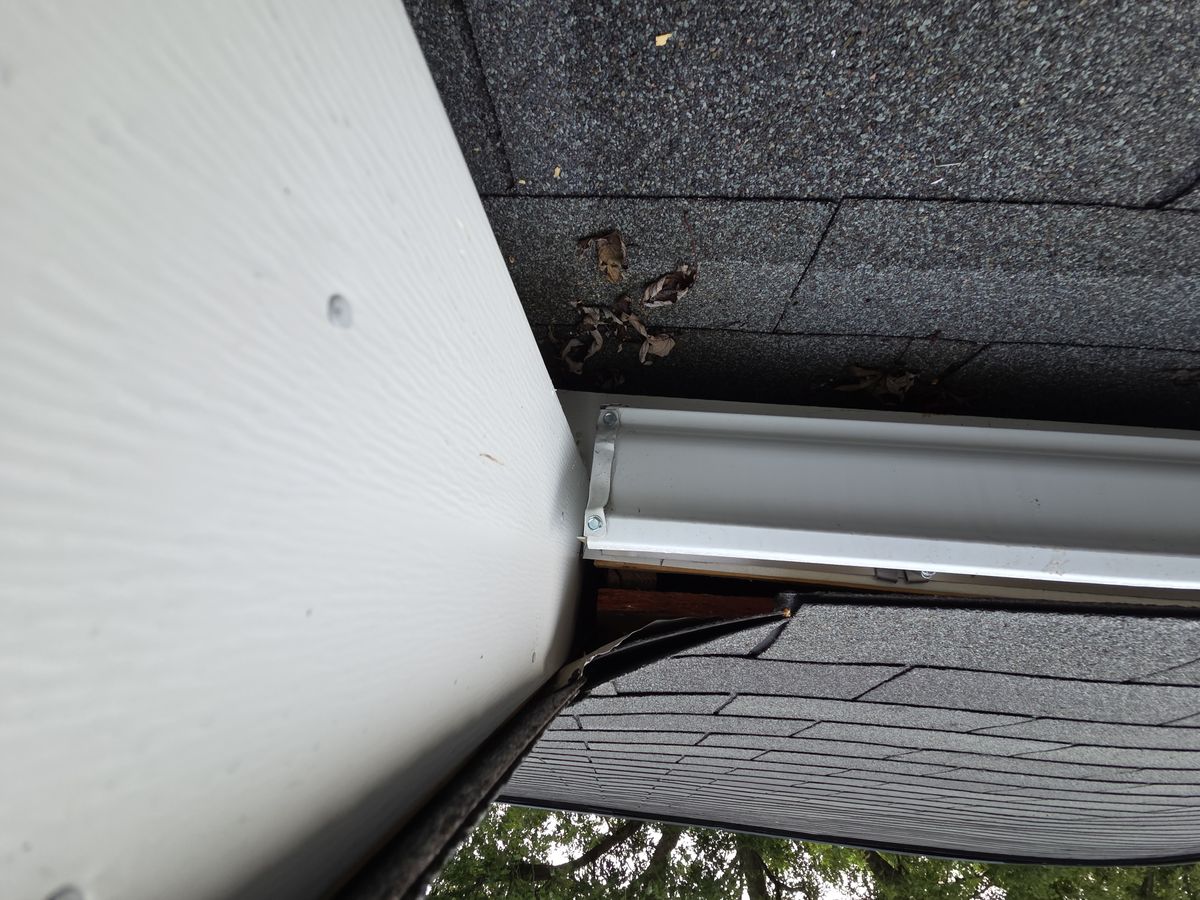
East Tennessee’s hardwood trees are magnificent, but they drop an enormous volume of leaves every fall. Those leaves end up in your gutters, and clogged gutters are one of the leading causes of water damage I document during home inspections.
What to Do
- Clean all gutters thoroughly after the majority of leaves have fallen, typically late October through November in the Knoxville area. If you have heavy tree coverage, you may need to clean them twice — once in mid-fall and again after the last leaves drop.
- Check gutter alignment. Gutters should slope toward the downspouts with no sagging or standing water. Hold a garden hose at the far end of each gutter run and verify that water flows freely to the downspout.
- Inspect downspout extensions. Downspouts should discharge water at least four to six feet from the foundation. If your extensions have come loose or been displaced by lawn mowing, reattach them. This single step prevents a remarkable amount of foundation moisture problems.
- Look for damage. Check for loose hangers, separated joints, holes, and rust. Repair or replace damaged sections before winter rains and potential ice put additional stress on the system.
- Consider gutter guards if you find yourself cleaning gutters multiple times per season. They are not maintenance-free, but they significantly reduce debris accumulation.
HVAC System Preparation
Your heating system has been dormant since spring. Before you rely on it to keep your family warm through an East Tennessee winter, give it some attention.
What to Do
- Replace the air filter. This is the simplest and most impactful thing you can do for your HVAC system. A dirty filter restricts airflow, reduces efficiency, and puts unnecessary strain on the equipment. Use a filter with a MERV rating appropriate for your system — typically MERV 8 to MERV 11 for most residential systems. Set a reminder to replace it every one to three months through the heating season.
- Schedule professional maintenance. A qualified HVAC technician should inspect your furnace or heat pump, clean the burners or coils, check the refrigerant charge (for heat pumps), test safety controls, and verify proper operation. Annual maintenance extends the life of your equipment and catches small problems before they become emergency repairs on the coldest night of the year.
- Test the system before you need it. Turn your thermostat to heating mode and let the system run for at least 30 minutes. A brief burning smell when the furnace first fires up is normal — that is dust burning off the heat exchanger. If the smell persists, or if the system fails to produce heat, call for service while technicians are available and before the winter rush.
- Check your thermostat. If you have a programmable or smart thermostat, update the schedule for fall and winter. Setting the temperature back by 7 to 10 degrees while you are away or asleep can reduce heating costs by up to 10 percent annually.
- Inspect visible ductwork. In accessible areas like the attic, crawl space, or basement, look for disconnected ducts, damaged insulation, and gaps at joints. Duct tape (ironically) is not an effective long-term duct sealant — mastic or foil-backed tape is the proper repair material.
Weatherstripping and Air Sealing
As temperatures drop, the gaps around your doors and windows become more noticeable. Drafts increase your heating costs and reduce comfort. Fall is the ideal time to address air sealing because the moderate temperatures make the work comfortable and the materials perform best.
What to Do
- Check weatherstripping on all exterior doors. Close each door and look for visible light or feel for drafts around the edges. Replace weatherstripping that is worn, compressed, cracked, or missing. Door sweeps at the bottom of exterior doors are particularly important and inexpensive to replace.
- Inspect windows. Check the caulking around window frames, both inside and out. Re-caulk any areas where the sealant has cracked, pulled away, or deteriorated. For older single-pane windows, consider applying window insulation film for the winter months — it is inexpensive and can make a significant difference in comfort and energy use.
- Seal penetrations. Check where pipes, wires, and cables enter your home through exterior walls. These penetrations often have gaps that allow cold air infiltration. Expanding foam or exterior-grade caulk seals them quickly.
- Check the attic hatch or pull-down stair. These openings are often the largest air leak in the home. Add or replace the weatherstripping around the perimeter and consider adding a rigid foam insulation cover if the hatch is uninsulated.
Roof Inspection
Your roof protects everything below it. A quick fall inspection helps identify issues before winter weather makes them worse.
What to Do
- Visually inspect the roof from the ground using binoculars. Look for missing, curled, cracked, or damaged shingles. Pay attention to the valleys, where two roof planes meet, and around penetrations like plumbing vents, chimneys, and skylights.
- Check flashing. The metal flashing around chimneys, vents, and where the roof meets walls is a common leak point. Look for gaps, rust, or lifted edges.
- Look inside the attic. On a sunny day, go into the attic and look for daylight coming through the roof. Check for water stains on the underside of the roof sheathing, which indicate past or present leaks.
- Trim overhanging branches. Tree limbs that hang over your roof drop debris, hold moisture against the shingles, and can cause damage during storms. Trim branches back so they clear the roof by at least three feet.
If you spot anything concerning during your visual inspection, call a qualified roofing contractor for a professional evaluation. Addressing a minor issue now is far less expensive than dealing with water damage after a winter storm.
Foundation and Grading Checks
East Tennessee’s cycle of summer drought and fall rains creates conditions that stress foundations. Clay soils shrink during dry spells and expand when moisture returns, and this movement can cause or worsen foundation cracks.
What to Do
- Walk the perimeter of your home and check the grading. Soil should slope away from the foundation at a rate of at least six inches of drop over the first ten feet. If soil has settled, fill the low areas with compacted clay soil (not topsoil, which is too porous) to restore proper drainage away from the foundation.
- Inspect the foundation walls for new or widening cracks. If you noticed a crack earlier in the year, check whether it has changed. A pencil mark at the end of a crack is a simple way to monitor whether it is growing.
- Check window wells. If you have basement windows with window wells, make sure the wells are clear of debris and that the drains (if present) are functioning.
- Evaluate landscaping near the foundation. Mulch, flower beds, and plantings should not be piled against your siding. Maintain at least a four-inch gap between mulch and the bottom of the siding to prevent moisture trapping and pest entry.
Pipe Insulation and Freeze Protection
East Tennessee winters usually do not bring the sustained extreme cold of northern states, but we do get periodic hard freezes that can catch unprepared homes off guard. Temperatures in the teens and single digits are not uncommon in January and February, and exposed pipes can freeze and burst with devastating consequences.
What to Do
- Insulate exposed pipes in unconditioned spaces — crawl spaces, attics, garages, and along exterior walls. Foam pipe insulation is inexpensive and easy to install. Pay special attention to pipes in the crawl space, which is the most common location for freeze-related pipe failures in East Tennessee homes.
- Know your shutoff valves. Locate the main water shutoff and make sure it operates properly. If you ever need to shut water off in an emergency, you do not want to discover that the valve is stuck or corroded.
- Disconnect and drain exterior hoses. Water left in a hose can freeze back into the hose bib and crack the pipe inside the wall. Disconnect hoses, drain them, and close the interior shutoff valve for exterior hose bibs if your home has one.
- Consider freeze-proof hose bibs. If your home has traditional hose bibs, upgrading to freeze-proof models is a relatively inexpensive plumbing improvement that eliminates a common freeze risk.
Fireplace and Chimney
If your East Tennessee home has a fireplace or wood stove, fall is the time to prepare it for use.
What to Do
- Have the chimney inspected and cleaned by a certified chimney sweep. Creosote buildup in the flue is a leading cause of chimney fires. An annual cleaning is recommended if you use the fireplace regularly.
- Check the damper. Open and close it to verify it operates smoothly and seals properly when closed. A damper that does not seal is essentially an open hole in your roof, allowing heated air to escape 24 hours a day.
- Inspect the firebox. Look for cracked mortar joints, damaged firebrick, or gaps in the firebox lining. These should be repaired before the fireplace is used.
- Test smoke and carbon monoxide detectors. This is always important, but especially so if you are using combustion appliances like fireplaces or gas furnaces.
Crawl Space Check
For homes with crawl spaces — which is the majority of homes in the Knoxville area — a fall check can prevent winter problems.
What to Do
- Inspect the vapor barrier. Look for tears, displacement, or areas of exposed soil. Repair or replace the vapor barrier as needed.
- Check for moisture. Look for standing water, condensation on surfaces, or damp spots. Address the source before winter, when reduced evaporation makes moisture problems worse.
- Verify foundation vents (for vented crawl spaces). Some homeowners close foundation vents for winter and open them in spring. If you do this, make sure the vents are in good condition and operate properly. If your crawl space is encapsulated, verify that the dehumidifier is functioning.
- Look for pest entry points. Rodents seek shelter as temperatures drop, and your crawl space is an attractive destination. Check foundation vent screens, access doors, and penetrations for gaps.
Exterior Maintenance
A few additional exterior tasks round out your fall preparation.
What to Do
- Inspect and repair caulking around exterior windows, doors, and where different materials meet (such as where siding meets trim or brick meets wood).
- Touch up exterior paint on areas where the paint is peeling, cracking, or worn. Exposed wood absorbs moisture through the winter and deteriorates rapidly.
- Check deck and porch surfaces for loose boards, protruding fasteners, and areas where water sits. Seal or stain the deck if it has been more than two years since the last application.
- Service your generator if you have one. East Tennessee ice storms can cause power outages, and you want your generator ready to run when you need it.
The Annual Checkup Program
Maintaining your home year after year requires attention and consistency. That is why we offer an Annual Checkup Program for homeowners across Knox, Loudon, Blount, Anderson, Roane, Monroe, McMinn, and Hamblen counties. This annual maintenance inspection provides a professional evaluation of your home’s major systems and components, identifies emerging issues before they become expensive problems, and gives you a prioritized maintenance plan tailored to your specific property.
Think of it as a physical for your home. Just as you visit your doctor annually to catch health issues early, an annual home checkup catches maintenance needs before they escalate into repairs.
Take Action This Fall
This checklist may look long, but most of these tasks are straightforward and can be completed over a weekend or two. The investment of time and modest expense now prevents far more costly problems in winter and beyond.
If you would like professional help evaluating your home’s readiness for winter — or if you are interested in our Annual Checkup Program — use our online quote calculator or call me at (865) 816-4084. With 30 year construction background and InterNACHI certification, I provide thorough, practical assessments that help East Tennessee homeowners protect their most valuable investment.
Ready to Schedule Your Inspection?
Get an instant quote and book online, or call Steven directly.